Can Mandibular Implants Restore Chewing Ability?
A healthy and functional smile is essential for eating comfortably, speaking clearly, and maintaining overall oral health. When teeth in the lower jaw are missing, everyday activities such as chewing can become difficult and uncomfortable. Mandibular Implants in Islamabad have emerged as one of the most reliable and advanced solutions for restoring missing lower teeth, allowing patients to regain both confidence and oral function. These dental implants are specifically designed to replace missing teeth in the mandible (lower jaw), providing a stable and long-lasting foundation that closely mimics the strength and appearance of natural teeth.Unlike removable dentures that may shift or slip while eating, mandibular implants are surgically placed into the jawbone, where they integrate naturally with the bone over time. This creates a secure base for crowns, bridges, or implant-supported dentures, enabling patients to enjoy a wide variety of foods without discomfort. If you have been wondering whether mandibular implants can truly restore chewing ability, the answer is yes. For most eligible patients, they provide a remarkable improvement in bite force, stability, comfort, and overall quality of life.
Understanding Mandibular Implants
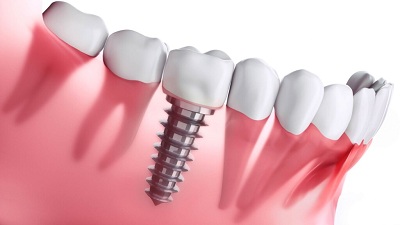
Mandibular implants are titanium or zirconia posts that are surgically inserted into the lower jawbone to replace the roots of missing teeth. Once the implants have fused with the surrounding bone through a biological process called osseointegration, they become a permanent support for artificial teeth.These implants are designed to withstand the daily forces generated during chewing and speaking.Because they function similarly to natural tooth roots, they help preserve the jawbone while providing exceptional stability. Whether a patient has lost one tooth, several teeth, or all of the lower teeth, mandibular implants offer customized treatment options that restore both function and aesthetics.
Why Missing Lower Teeth Affect Chewing?
The lower jaw plays a vital role in the chewing process. Every bite requires coordinated movement between the upper and lower teeth to break food into smaller pieces before swallowing. When one or more lower teeth are missing, this balance is disrupted.Patients often begin chewing on only one side of the mouth to avoid discomfort, placing excessive stress on the remaining teeth. Over time, this uneven chewing pattern may contribute to tooth wear, jaw discomfort, bite problems, and digestive issues caused by inadequate food breakdown. Missing teeth can also cause neighboring teeth to shift, creating additional challenges for proper chewing.Without stimulation from natural tooth roots, the jawbone gradually begins to shrink. Bone loss weakens the foundation needed to support future restorations and can change the overall shape of the face. These changes further complicate chewing and reduce oral function.
How Mandibular Implants Restore Chewing Ability?
The primary advantage of mandibular implants is their ability to closely replicate natural teeth. Once fully integrated with the jawbone, the implants become extremely stable and allow patients to chew with significantly greater force than traditional removable dentures.Because the implant is anchored directly into the bone, it does not move while eating. This stability allows patients to bite confidently into harder foods such as apples, nuts, meat, and fresh vegetables without worrying about movement or discomfort.The implant-supported restoration distributes chewing forces evenly across the jawbone, reducing strain on neighboring teeth and helping maintain proper bite alignment. Patients frequently report that eating feels natural again after completing treatment.
Improved Bite Force
One of the most significant benefits of mandibular implants is the restoration of bite strength. Studies have shown that traditional dentures typically provide only a fraction of the chewing efficiency achieved by natural teeth. Implant-supported restorations, however, can restore a much greater percentage of natural biting power.This increased bite force enables patients to enjoy a wider variety of foods that may have previously been difficult or impossible to eat. Better chewing also promotes healthier digestion because food is broken down more effectively before swallowing.For many individuals, simply being able to comfortably enjoy favorite meals again dramatically improves their overall quality of life.
Greater Stability Than Traditional Dentures
Traditional lower dentures often present unique challenges because the lower jaw provides less natural suction than the upper jaw. As a result, many lower dentures shift while speaking or eating.Mandibular implants eliminate this problem by firmly anchoring the prosthetic teeth to the jawbone. Implant-supported dentures remain secure even during vigorous chewing, reducing embarrassment and increasing confidence in social situations.Patients no longer need to rely heavily on denture adhesives or worry about their dentures becoming loose during meals.
Preservation of Jawbone Health
Another major advantage of mandibular implants is their ability to preserve jawbone density. Every time a person chews using implant-supported teeth, the surrounding bone receives gentle stimulation similar to that provided by natural tooth roots.This stimulation encourages the bone to remain healthy and dense. In contrast, areas where teeth are missing gradually experience bone resorption because they no longer receive functional pressure.Maintaining healthy jawbone volume supports facial structure, improves implant longevity, andcontributes to better chewing performance for many years.
Enhanced Comfort While Eating
Many patients who wear removable dentures experience sore spots, gum irritation, or discomfort during meals. Because dentures rest directly on the gums, chewing pressure can sometimes become painful.Mandibular implants transfer chewing forces directly into the jawbone rather than the gum tissue. This greatly reduces pressure on the gums and creates a much more comfortable eating experience.Patients often describe implant-supported teeth as feeling remarkably similar to their natural teeth once healing is complete.
Restoring Speech Alongside Chewing
Chewing and speaking rely on proper tooth positioning. Missing lower teeth may affect pronunciation, making certain sounds more difficult to produce.Since mandibular implants restore normal tooth alignment, they frequently improve speech clarity as well. Patients often notice increased confidence during conversations because they no longer worry about dentures slipping or speech becoming unclear.The combined improvement in speaking and chewing contributes significantly to better social interactions and self-esteem.
Types of Mandibular Implant Restorations
Treatment plans vary depending on the number of missing teeth. A single implant may replace one missing tooth, while multiple implants can support bridges for several missing teeth.For patients missing all lower teeth, implant-supported overdentures provide excellent stability while remaining removable for cleaning. Fixed full-arch implant restorations offer an even more permanent solution by securing an entire row of replacement teeth onto multiple implants.Each treatment option is carefully selected according to the patient's oral health, bone quality, lifestyle, and long-term goals.
The Treatment Process
The journey begins with a comprehensive consultation that includes digital X-rays, three-dimensional imaging, and a detailed examination of the patient's oral health. These diagnostic tools help determine whether sufficient bone is available for implant placement.During the surgical procedure, the implant posts are carefully inserted into the lower jaw under local anesthesia or sedation. Most patients experience only mild discomfort after surgery, which can usually be managed with prescribed medications.The healing period generally lasts several months while osseointegration occurs. Once the implants have successfully fused with the jawbone, custom-made crowns, bridges, or dentures are attached to complete the restoration.The final result is a stable, functional, and aesthetically pleasing smile.
Who Is a Good Candidate?
Most healthy adults with missing lower teeth are suitable candidates for mandibular implants. Adequate jawbone density is important because the implants require a strong foundation for long-term success.Individuals with uncontrolled diabetes, active gum disease, heavy smoking habits, or certain medicalconditions may require additional evaluation before treatment.Even patients who have experienced some bone loss may still qualify through advanced procedures such as bone grafting, which rebuilds the jaw before implant placement.A personalized consultation helps determine the most appropriate treatment approach for each individual.
Recovery After Implant Surgery
Recovery is generally smooth for most patients. Mild swelling, tenderness, and minor bruising during the first few days are normal and gradually resolve.Patients are usually advised to consume soft foods during the initial healing phase while avoiding excessive pressure on the surgical site. Maintaining excellent oral hygiene and attending scheduled follow-up appointments supports successful healing.As osseointegration progresses, patients gradually regain full chewing function. Once the permanent restoration is attached, most individuals can comfortably resume their normal diet.
Long-Term Maintenance
Mandibular implants require regular care similar to natural teeth. Daily brushing, flossing around the implants, and routine professional cleanings help prevent complications such as peri-implant disease.Regular dental examinations allow clinicians to monitor implant stability and ensure the surrounding tissues remain healthy.With proper maintenance and good oral hygiene, mandibular implants can remain functional for decades, making them one of the most durable tooth replacement options available.
Psychological and Lifestyle Benefits
The ability to chew comfortably extends beyond nutrition alone. Many individuals with missing teeth avoid restaurants, family gatherings, or social events because they feel embarrassed about eating in public.Mandibular implants restore confidence by allowing patients to enjoy meals naturally without fear of denture movement or discomfort. This renewed confidence often improves social interactions, emotional well-being, and overall quality of life.Patients frequently report that the treatment has transformed not only their smiles but also their daily routines, dietary habits, and self-esteem.
Why Early Treatment Matters?
Delaying treatment for missing lower teeth can lead to progressive bone loss, shifting teeth, bite changes, and increasing difficulty with future restorative procedures. Early implant placement preserves bone structure and simplifies treatment while maintaining optimal oral function.Seeking professional evaluation soon after tooth loss often results in more predictable outcomes and reduces the likelihood of requiring extensive bone reconstruction later.
Conclusion
Mandibular implants have revolutionized modern restorative dentistry by providing a highly effective solution for replacing missing lower teeth and restoring natural chewing ability. Their exceptional stability, durability, and ability to preserve jawbone health make them superior to many traditional tooth replacement options. Whether replacing a single tooth or restoring an entire lower arch, these implants allow patients to eat comfortably, speak confidently, and smile without hesitation. Choosing Mandibular Implants in Islamabad offers access to advanced implant technology, personalized treatment planning, and experienced dental professionals dedicated to achieving long-lasting results. With proper care and regular dental follow-up, mandibular implants can restore not only chewing function but also confidence, oral health, and overall quality of life for many years to come.
Comments
Post a Comment